
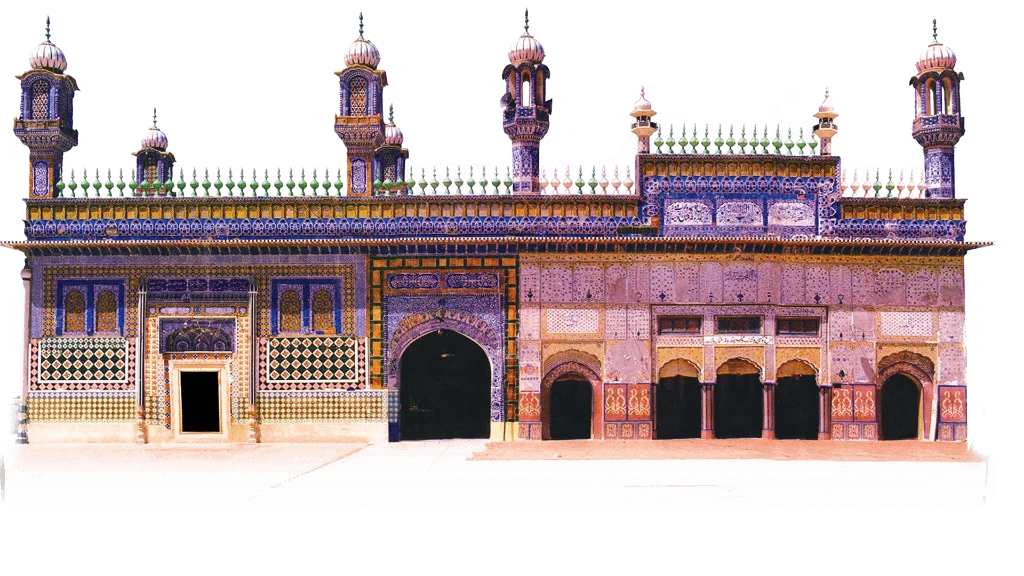
2. Fakir
اللہ پڑھیوں پڑھ حافظ ہویوں، ناں گیا حجابوں پَردا ھُو
پڑھ پڑھ عالم فاضل ہویوں، پر طالب ہویوں زَر دا ھُو
سَے ہزار کتاباں پڑھیاں، پر ظالم نفس نہ مَردا ھُو
باجھ فقیراں کسے نہ ماریا بَاھُوؒ، ایہہ ظالم چور اندر دا ھُو
الف
ਅਲਿਫ਼
ਅੱਲਾ ਪੜ੍ਹਿਓਂ ਪੜ੍ਹ ਹਾਫ਼ਜ਼ ਹੋਇਓਂ, ਨਾਂ ਗਿਆ ਹਿਜਾਬੋਂ ਪਰਦਾ ਹੂ
ਪੜ੍ਹ ਪੜ੍ਹ ਆਲਿਮ ਫ਼ਾਜ਼ਲ ਹੋਇਓਂ, ਪਰ ਤਾਲਬ ਹੋਇਓਂ ਜ਼ਰ ਦਾ ਹੂ
ਸੈ ਹਜ਼ਾਰ ਕਿਤਾਬਾਂ ਪੜ੍ਹੀਆਂ, ਪਰ ਜ਼ਾਲਮ ਨਫ਼ਸ ਨਾ ਮਰਦਾ ਹੂ
ਬਾਝ ਫ਼ਕੀਰਾਂ ਕਿਸੇ ਨਾ ਮਾਰਿਆ ਬਾਹੂ(ਰਹ), ਇਹ ਜ਼ਾਲਮ ਚੋਰ ਅੰਦਰ ਦਾ ਹੂ
Alif
Allah parhion parh hafiz hoyon, naa giaa hijaabon parda Hoo
Parh parh alim faazil hoyon, par taalab hoyon zar da Hoo
Sey hazaar kitaabaan parhiaan, par zaalim nafs na marda Hoo
Baajh fakiraan kise na maaryaa Bahoo, eh zaalim chor andar da Hoo
Etched Allah’s verses in heart as a hafiz. Yet, veils never lifted
Scholars pursue knowledge, but worldly gain is what they are after
Delved deep into tomes and scriptures, yet the cruel self stays unshattered
O Bahoo, none but a Fakir’s guidance can vanquish the self-a formidable foe

Explanation by Sultan ul Ashiqeen
You invoke Ism-e-Allah Zaat without the permission and supervision of the perfect spiritual guide and call yourself its scholar. Remember! Your inner veils cannot be lifted until the perfect spiritual guide grants invocation and contemplation of Ism-e-Allah Zaat and discloses the secret through it. You have read thousands of books on religion and world but still the self incites you and could not be purified because you use knowledge to earn money and fake reputation. This is the exact reason that veils have not been lifted and you failed to recognize Allah. Self is such a robber hidden within you that only the glance of a perfect spiritual guide can kill it.
GLOSSARY
| Shahmukhi, Gurmukhi & Transliteration | English |
|---|---|
| اَللّٰہ ; ਅੱਲਾ ; Allah | Ism-e-Allah Zaat |
| پڑھیوں ; ਪੜ੍ਹਿਓਂ ; parhion | Reading |
| پڑھ ; ਪੜ੍ਹ ; parh | Read |
| ہویوں حافظ ; ਹਾਫ਼ਜ਼ ਹੋਇਓਂ ; hafiz hoyon | Became hafiz or scholar |
| ناں ; ਨਾਂ ; naa | No, not |
| گیا ; ਗਿਆ ; giaa | Gone; went |
| حجابوں پَردا ; ਹਿਜਾਬੋਂ ਪਰਦਾ ; hijaabon parda | Veils |
| عالم ; ਆਲਿਮ ; alim | Alim; scholar; learned |
| فاضل ; ਫ਼ਾਜ਼ਲ ; faazil | A proficient scholar |
| پر ; ਪਰ ; par | But; however |
| طالب ; ਤਾਲਬ ; taalab | Seeker |
| زَر ; ਜ਼ਰ ; zar | Gold; wealth |
| دا ; ਦਾ ; da | Of |
| سَے ; ਸੈ ; sey | Hundred; numerous |
| ہزار ; ਹਜ਼ਾਰ ; hazaar | Thousand; numerous |
| کتاباں پڑھیاں ; ਕਿਤਾਬਾਂ ਪੜ੍ਹੀਆਂ ; kitaabaan parhiaan | Read books |
| ظالم نفس ; ਜ਼ਾਲਮ ਨਫ਼ਸ ; zaalim nafs | Cruel self, the inciting self |
| نہ ; ਨਾ ; na | No; not |
| مَردا ; ਮਰਦਾ ; marda | To die |
| باجھ ; ਬਾਝ ; baajh | Without, other than |
| فقیراں ; ਫ਼ਕੀਰਾਂ ; fakiraan | Fakirs |
| کسے نہ ; ਕਿਸੇ ਨਾ ; kise na | No one |
| ماریا ; ਮਾਰਿਆ ; maaryaa | Killed; overcame, subdued |
| ایہہ ; ਇਹ ; eh | This; it |
| ظالم ; ਜ਼ਾਲਮ ; zaalim | Tyrant; oppressor; cruel |
| چور ; ਚੋਰ ; chor | Thief; brigand |
| اندر ; ਅੰਦਰ ; andar | Within, inside, esoteric being, spiritual being |
Note
In the second verse of this quatrain, the word used is پر/ਪਰ/par that means but or however. Many scripts instead had the word بھی/ਭੀ/bhe which does not suit here. It means also or too.